The first-year FTA Index results highlight both the issues that must be addressed and the considerable scope for provinces and businesses to make more effective use of FTAs.
The Ministry of Industry and Trade’s launch of the Free Trade Agreement Implementation Index (FTA Index) in April marked an important step in Viet Nam’s efforts to improve the effectiveness of FTA implementation.
The roundtable “First-Year FTA Index Results: Emerging Issues”, organised by the Ministry of Industry and Trade Magazine on 3 October 2025.
FTA implementation results remain uneven across provinces and businesses
Speaking at the recent roundtable “ First-Year FTA Index Results: Emerging Issues ”, organised by the Ministry of Industry and Trade Magazine, Ngo Chung Khanh, Deputy Director General of the Multilateral Trade Policy Department at the Ministry of Industry and Trade, discussed the practical implementation of FTAs based on the 2024 FTA Index survey results.
From the provincial perspective, Mr Khanh noted that FTA implementation—particularly that of new-generation FTAs—remains uneven. Reported data show that some provinces have made highly effective use of the agreements, as reflected in their total export value and growth in their key export products.
Provincial business support policies also vary: some provinces offer a broad range of measures, while support in others remains limited.
A third important issue is the shortage of staff assigned to FTA implementation at the provincial level. “In practice, many provinces have only one officer in charge, and that person is often responsible for several other areas as well. This affects the province’s capacity to support FTA implementation,” Mr Khanh observed.

Regarding businesses, the representative of the Multilateral Trade Policy Department said that the 2024 FTA Index survey shows that very few enterprises have a dedicated legal unit or links with firms specialising in FTA advisory services. Only a limited number have in-house legal staff or legal experts able to research FTA commitments and market access opportunities that directly affect their operations.
Businesses also continue to rely heavily on traditional markets. Although some enterprises are active in newer FTA markets such as the European Union, Canada, Mexico and the United Kingdom, many have yet to give them sufficient attention. As a result, these high-potential markets still account for a modest share of Viet Nam’s total exports.
Overall, Mr Khanh said, the survey confirms that Viet Nam’s negotiation, signing and implementation of FTAs have produced positive results, as reflected in trade value and the range of key products exported to FTA markets. At the same time, it shows that substantial scope remains to increase the benefits that businesses and the wider economy derive from FTAs.

Harnessing FTAs more effectively: building on the momentum of the FTA Index
From the perspective of business associations, Dr Nguyen Van Than, National Assembly deputy and Chairperson of the Viet Nam Association of Small and Medium Enterprises (VINASME), emphasised that effective use of FTAs is essential to addressing current export challenges.
The VINASME Chairperson therefore welcomed the FTA Index as an important national index that brings together provincial authorities and businesses. In particular, he considered it appropriate that the FTA Index places sustainable development at the centre of its assessment. Markets such as the European Union, the United Kingdom and Canada offer considerable potential but also impose demanding requirements. Making effective use of these markets is therefore essential for long-term, sustainable development.
Dr Than said that, to achieve sustainable long-term growth, businesses must proactively adopt more professional approaches to production and trade. Government agencies and associations should coordinate and develop specific, goal-oriented programmes to help enterprises use FTAs and access FTA markets.
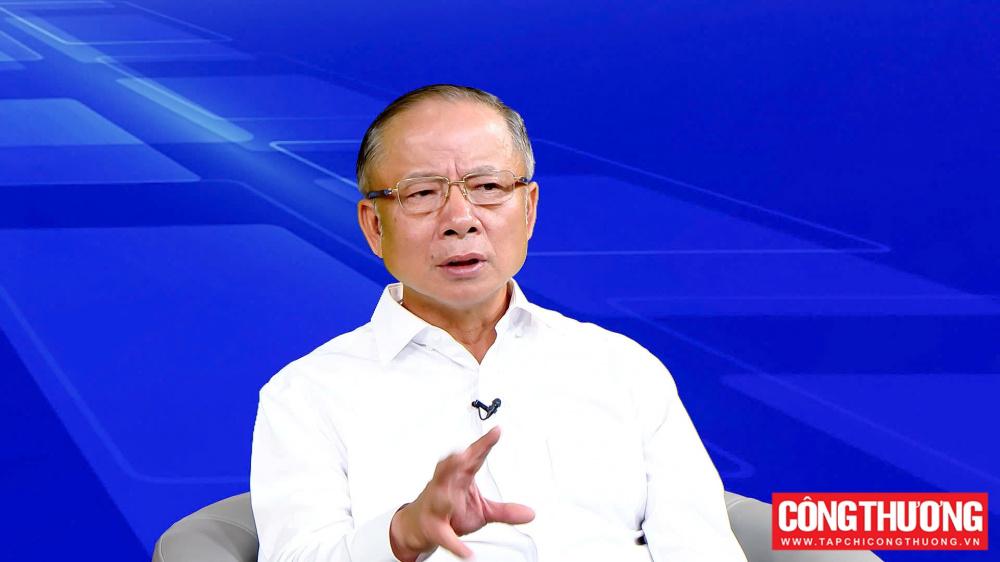
Associate Professor Dr Dao Ngoc Tien, Vice President of Foreign Trade University and a representative of the institution that conducted the provincial FTA implementation survey, said that one notable outcome of the inaugural FTA Index was a positive shift in many provinces’ awareness and approach. Businesses are increasingly being placed at the centre of FTA implementation.
“ Previously, provincial attention often focused on organising five or ten communication workshops or seminars on FTAs. Their action plans now include specific objectives that place FTA implementation results and exporting businesses at the centre ,” Associate Professor Dr Tien said.

The speakers agreed that stronger FTA utilisation requires coordinated action and solutions from all stakeholders.
At the policy level, Viet Nam is not only seeking to implement existing FTAs effectively but is also identifying new markets, accelerating market diversification and advancing negotiations for new FTAs with potential partners.
At the provincial level, positive shifts in the priorities and approach of leaders in several provinces and cities are expected to spread nationwide. Businesses, meanwhile, need to adapt quickly, diversify and place greater emphasis on high-potential FTA markets.
Closer coordination among provinces, ministries and agencies will help concentrate resources and support more effective FTA implementation, producing clearer and more tangible results.

Regarding the FTA Index, Mr Khanh said that the Ministry of Industry and Trade is working with relevant ministries and agencies through the FTA Index Task Force and consulting provinces and cities to develop an updated questionnaire that better reflects business circumstances. The Ministry is also guiding provinces and cities on how to improve their FTA implementation results.
“We hope the 2025 Index will show a higher average score, narrower gaps among provinces and, most importantly, greater optimism among businesses—evidence that provincial authorities are taking substantive action and that businesses are genuinely benefiting from it,” the representative of the Multilateral Trade Policy Department said.